

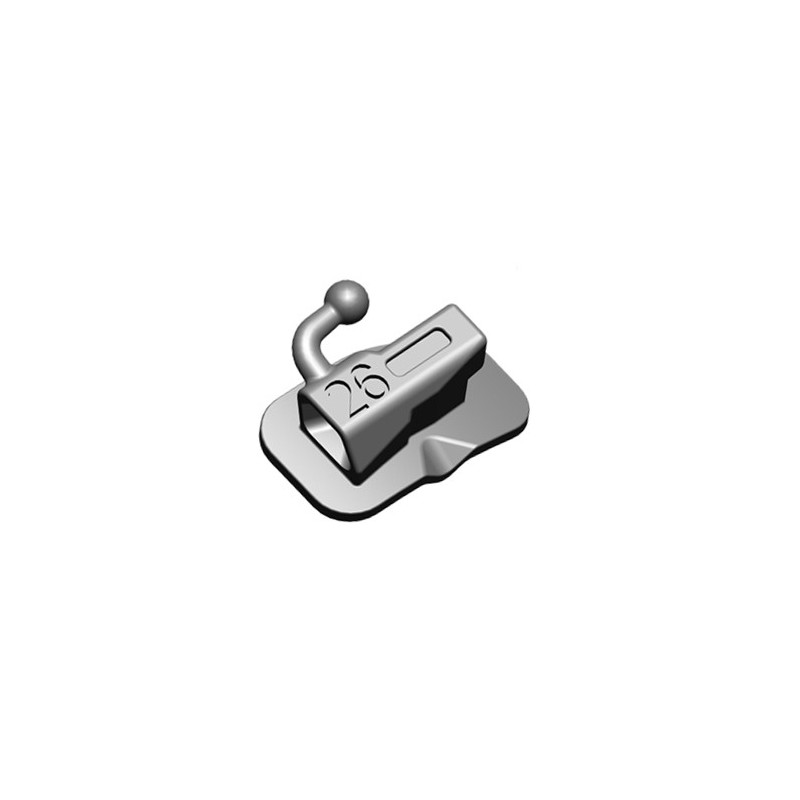
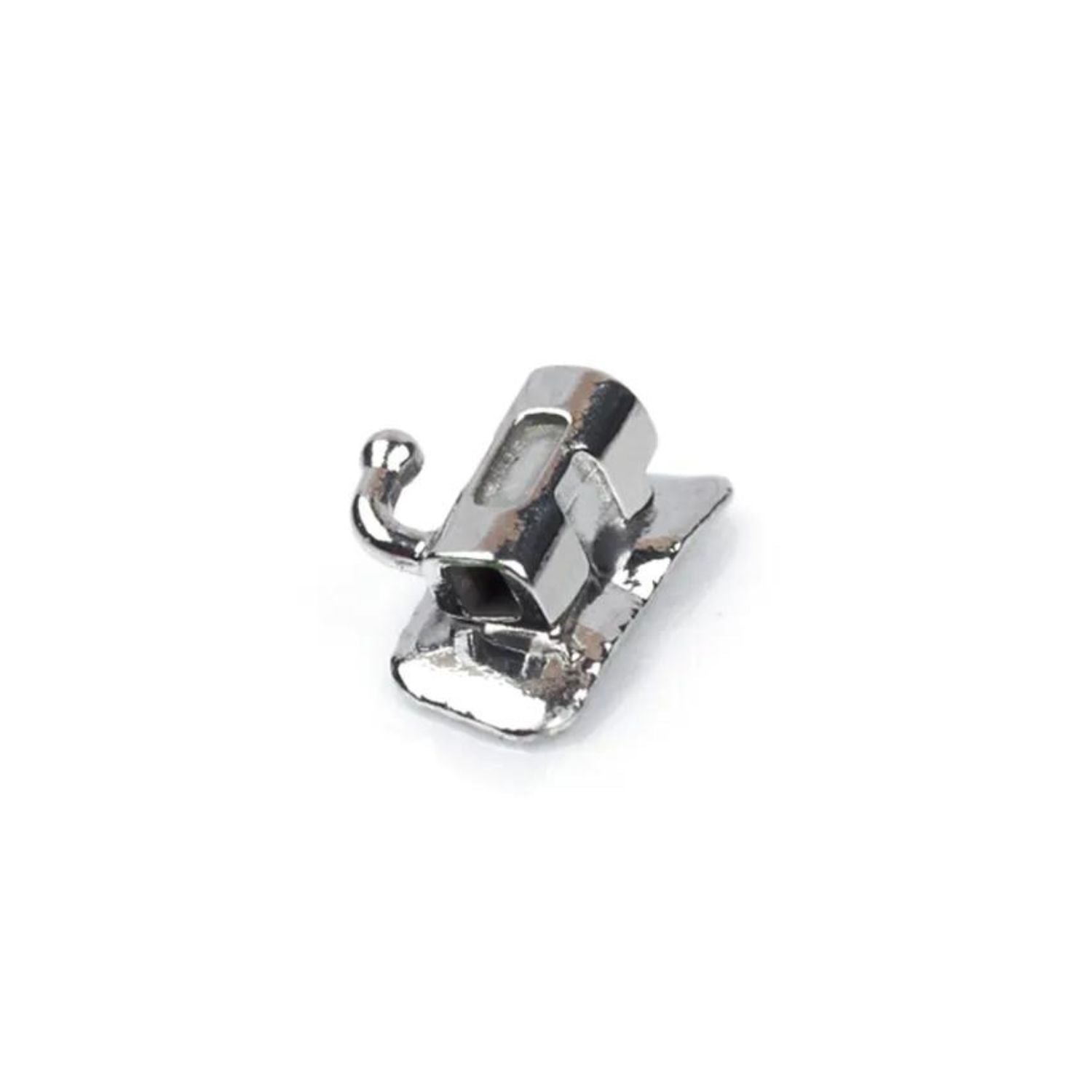
How to choose buccal tubes for your bracket system
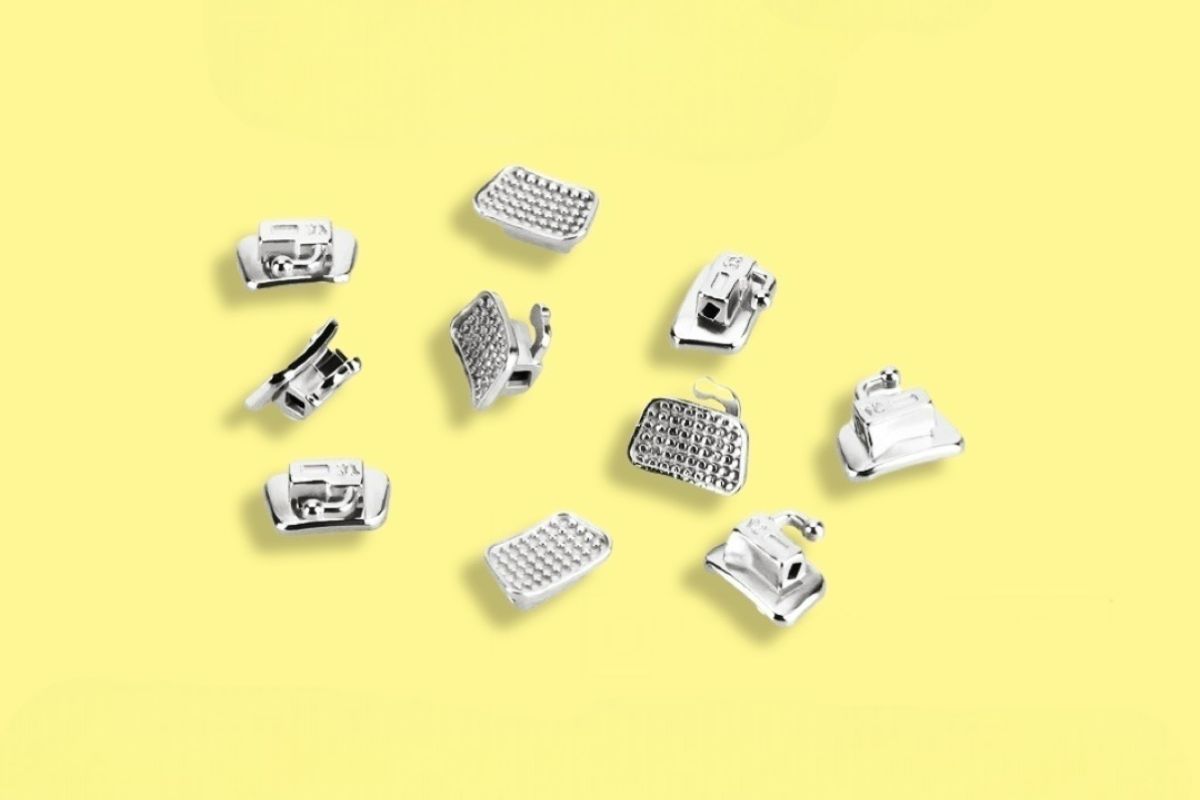
Start with the brackets already bonded on the case. Slot and tooth are fixed across this collection, so the decision comes down to prescription: a Roth tube for Roth brackets, the MBT tube for MBT brackets. After that, pick the body style you prefer and the number of bags you'll go through before the next order.
A few checks catch most ordering mistakes:
- Prescription numbers, not just the name. Roth and MBT values aren't fixed across manufacturers. Two tubes both sold as "Roth" can carry different torque and offset figures, so compare the chart on the product page with the chart for your brackets.
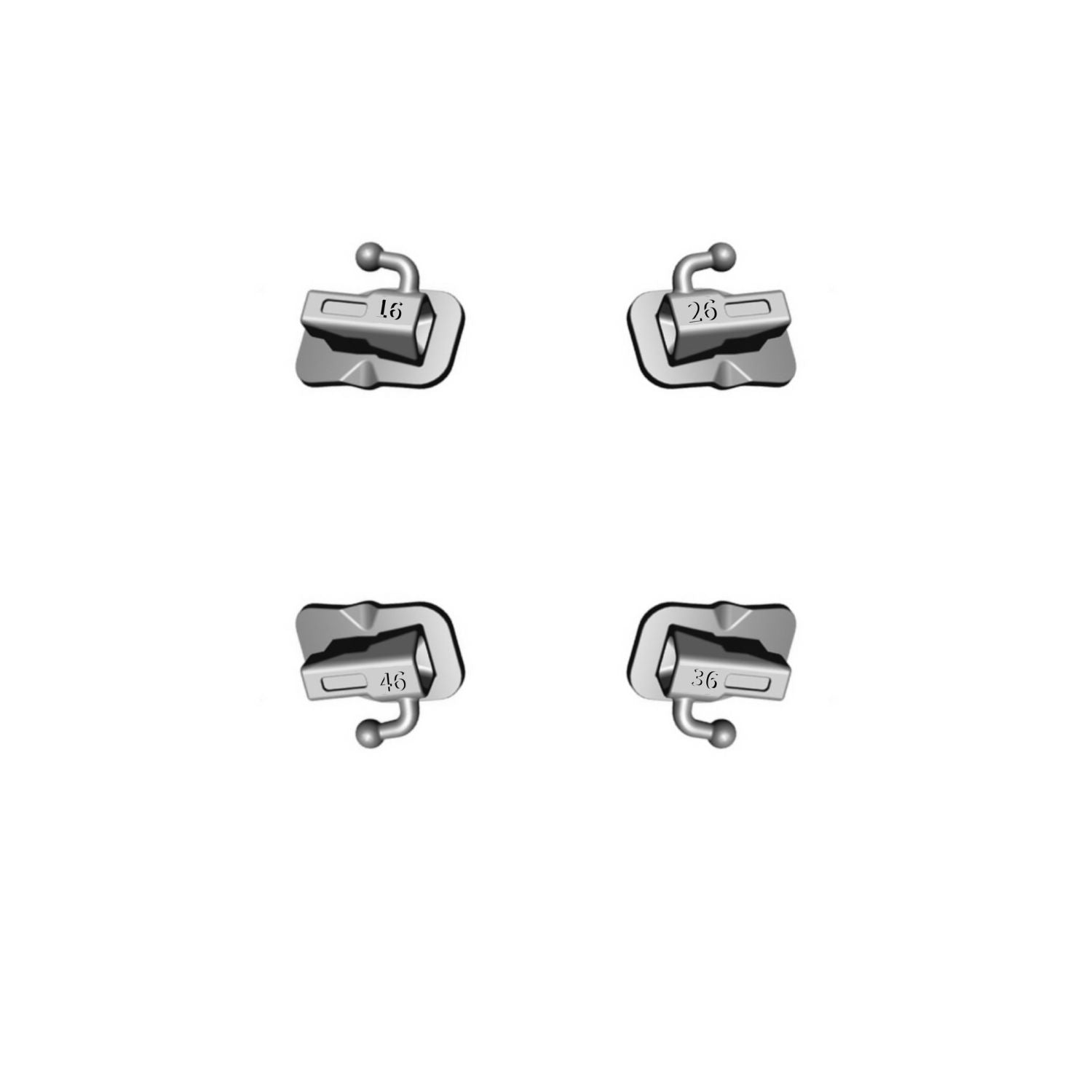
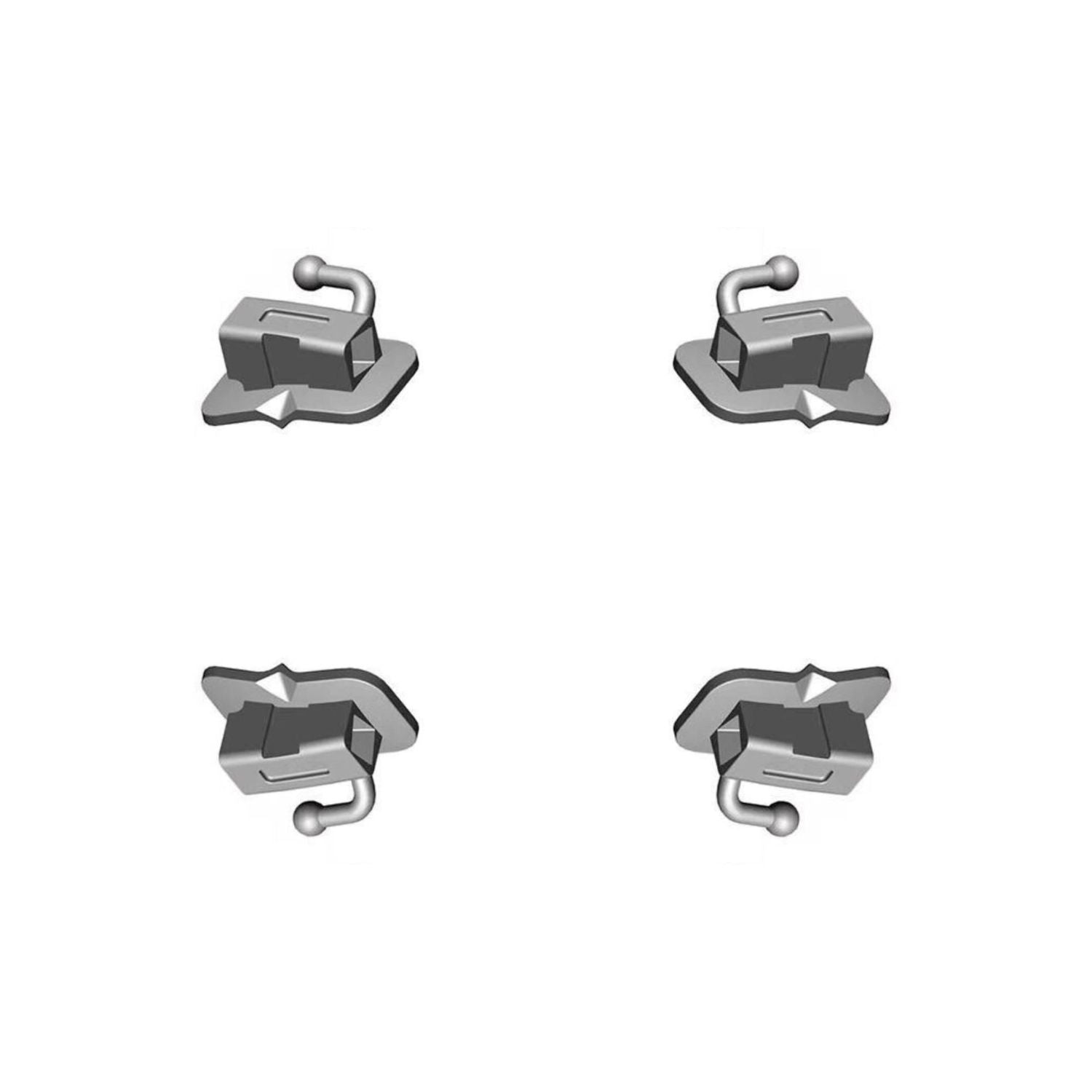
- Quadrant. Left and right tubes are mirror images, and the upper and lower tubes here carry different torque. Check the tooth marking before you bond.
- Bonded or banded. All four tubes have a bonding pad for direct placement on enamel, so a case planned on bands needs a different part.
Keep the rest of the arch consistent: the same prescription in your orthodontic brackets, and a braces wire sequence that suits a 0.022" slot.
Buccal tube comparison: four first molar tubes
| Feature | Bondable | MBT Tube | Roth Mesh | Monoblock |
|---|---|---|---|---|
| Prescription | Roth | MBT | Roth | Roth |
| Slot (as listed) | 0.022" × 0.030" | 0.022" | 0.022" (0.56 mm) | 0.022" × 0.030" |
| Tooth | Upper and lower first molar | Upper and lower first molar | Upper and lower first molar | Upper and lower first molar |
| Torque, upper / lower | −14° / −25° | −14° / −25° | −14° / −25° | −14° / −25° |
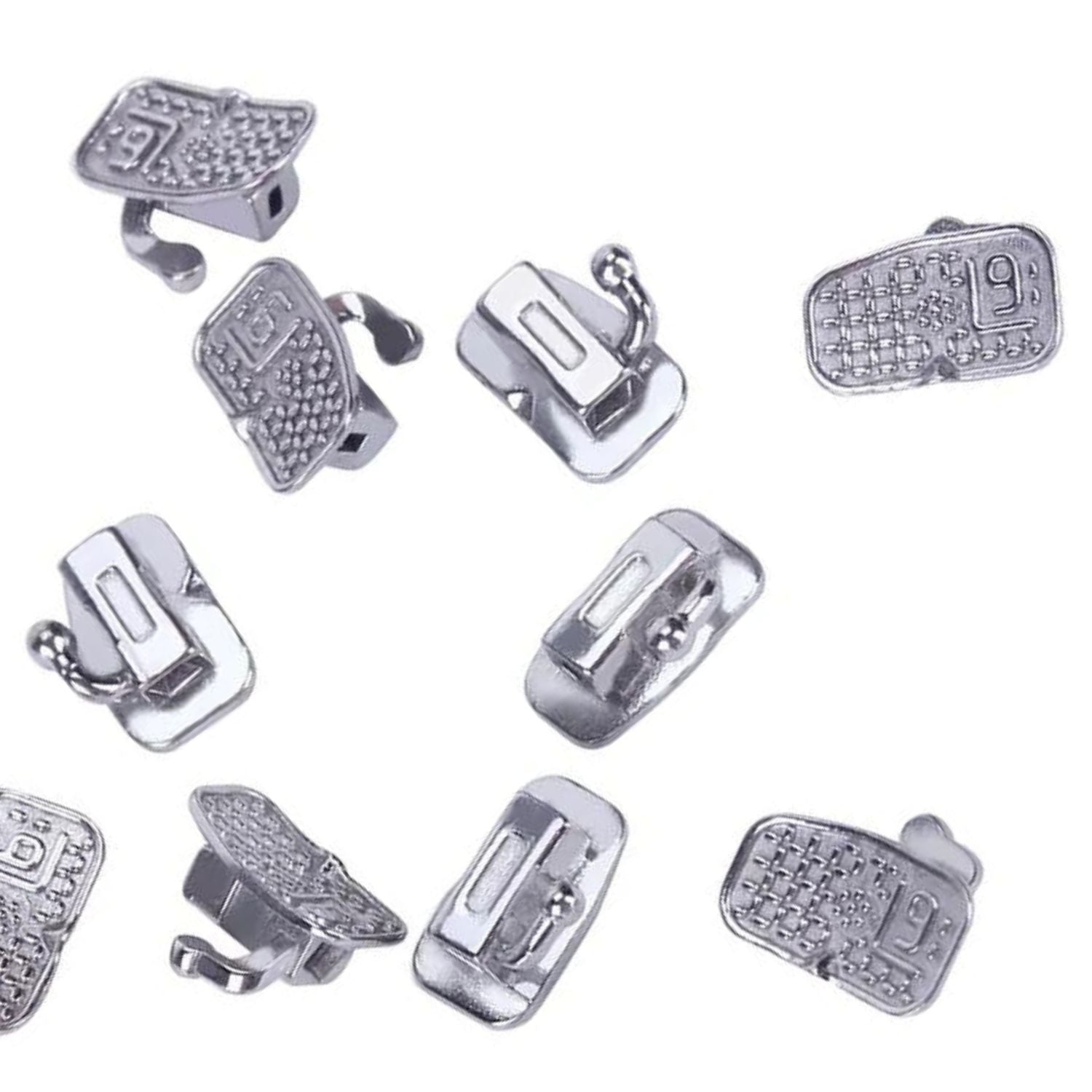
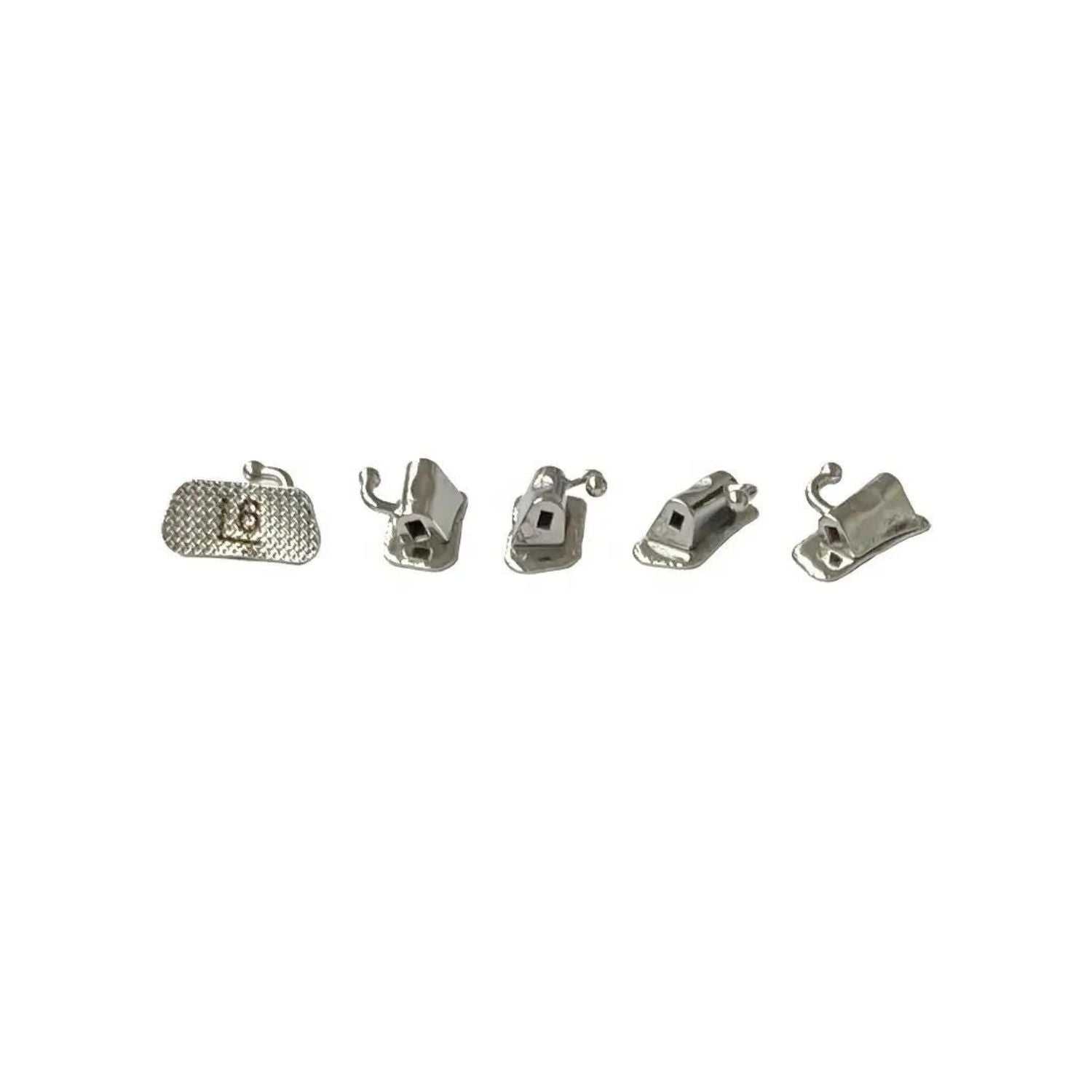
| Body and base | Single tube, pad with developmental groove | Single tube, pad | 80-gauge mesh base, laser-marked | Monoblock body, pad with developmental groove |
| Material | Not listed | Not listed | Medical-grade stainless steel, metal injection molded (MIM) | Not listed |
| Hook | Adjustable comfort ball hook | Adjustable comfort ball hook | Adjustable comfort ball hook | Adjustable comfort ball hook |
| Pack | 4 tubes per bag | 4 tubes per bag | 4 tubes per bag | 4 tubes per bag |
The Roth and MBT buccal tubes share the same listed torque values. They differ in the lower-molar angulation or offset figures: 4° on the three Roth tubes and 0° on the MBT tube. Each product page shows the full chart by tooth.
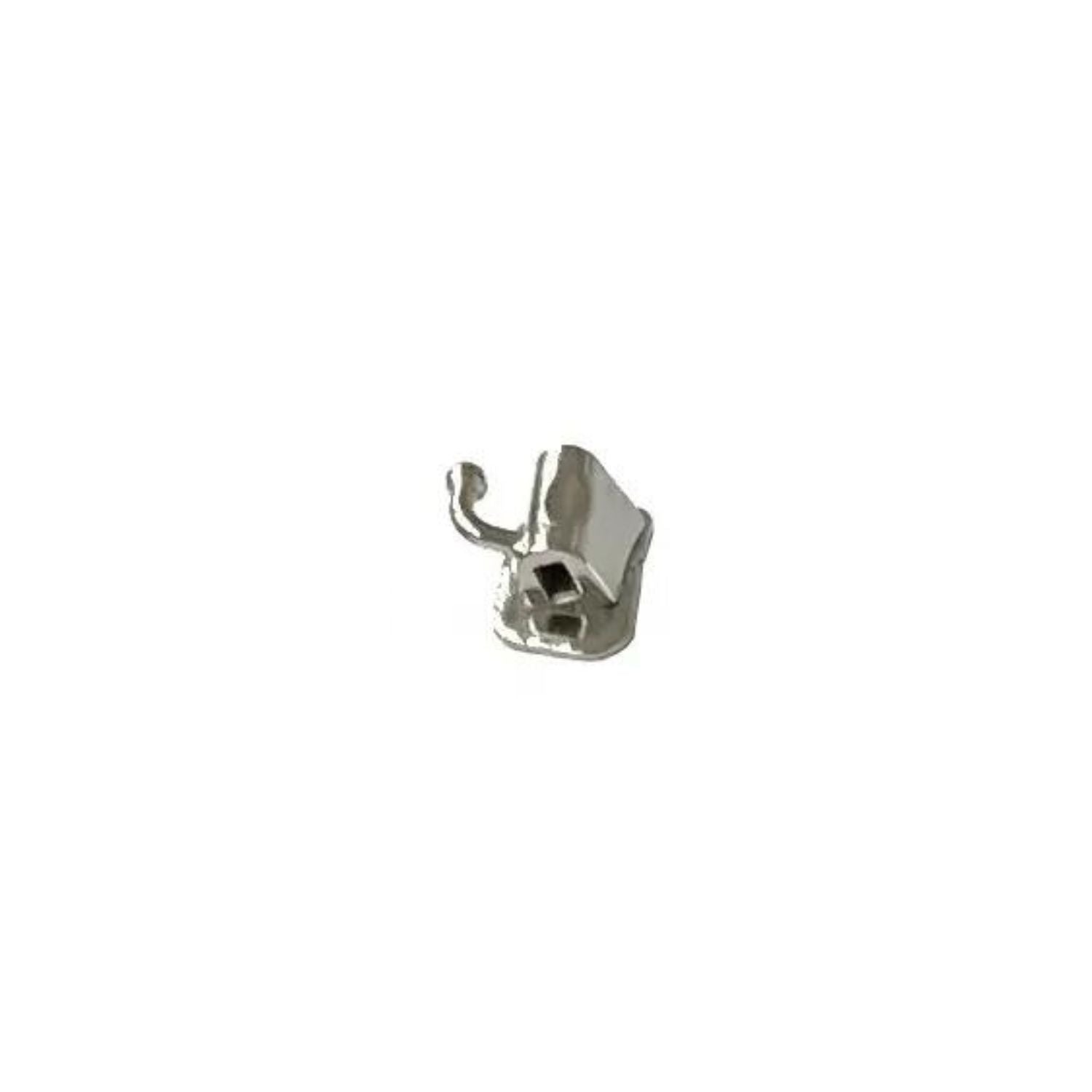
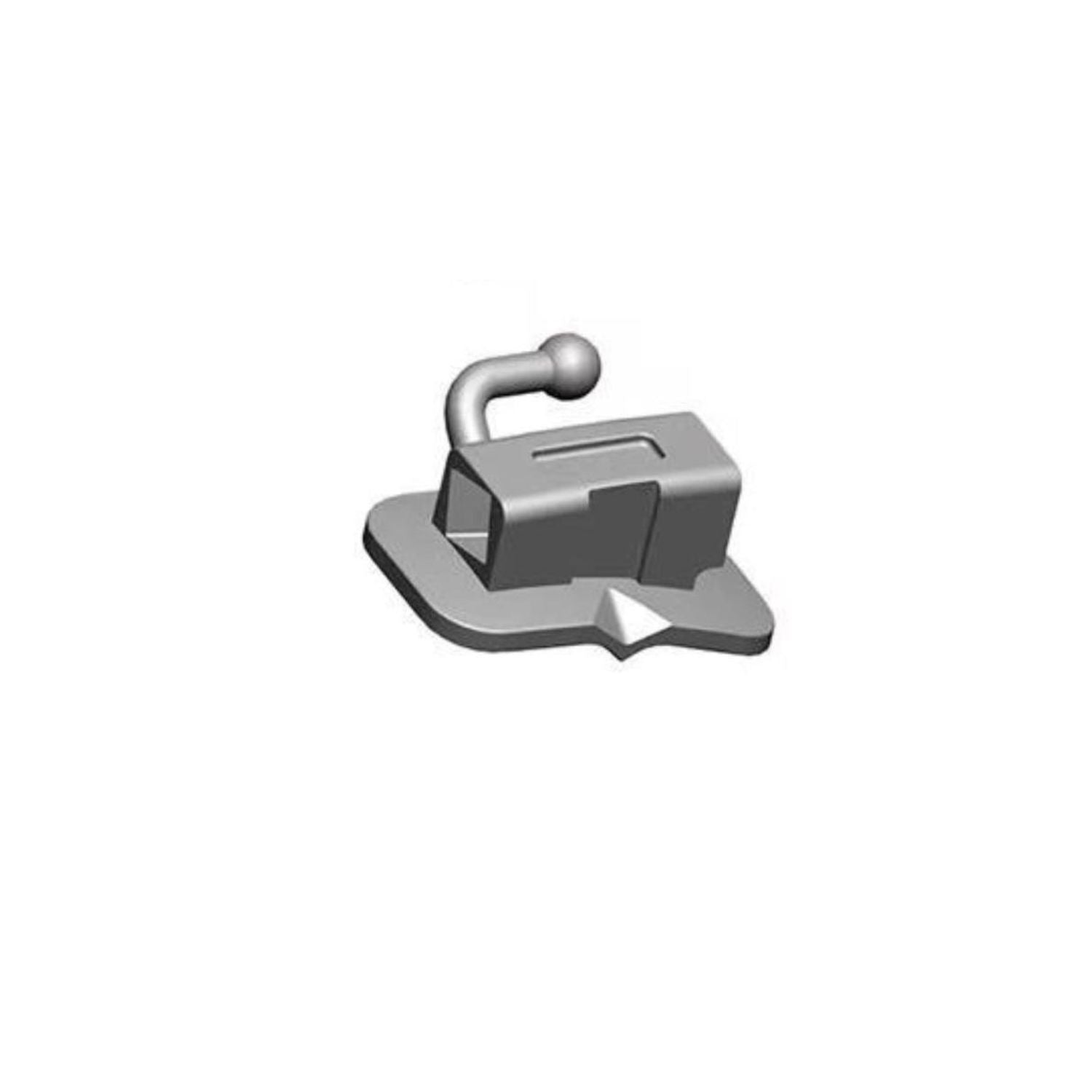
Across the range you also get concave grip areas so tweezers don't slip, a flared entrance that guides the archwire in, tooth position markings and smooth edges.
What the specs mean chairside
0.022" slot
The first number is the nominal slot height. It sets which wire cross-sections fit and how much play is left between wire and slot. Two of these tubes list a second dimension (0.022" × 0.030"); the other two list 0.022" alone.
Bigger slot, faster treatment? Not according to a randomized clinical trial published in the European Journal of Orthodontics (2019), which found no statistically or clinically significant difference in treatment duration between 0.018" and 0.022" systems. What matters more is a wire sequence that matches the slot on every tooth.
−14° and −25° torque
Torque is the buccolingual inclination built into the tube. The negative values mean crown-lingual torque, set stronger on the lower first molar (−25°) than the upper (−14°). The tube only expresses it once a rectangular wire fills enough of the slot, which is also when a mismatch between tube and bracket prescriptions starts to show up in the finish.
Mesh pad and the bond
The Roth Mesh tube uses an 80-gauge mesh base. That number describes the mesh, not the archwire slot. Mesh and other retentive textures give the adhesive something to lock into, and base design does affect bond strength in lab studies, though a gauge number alone doesn't predict how long a tube stays on in the mouth.
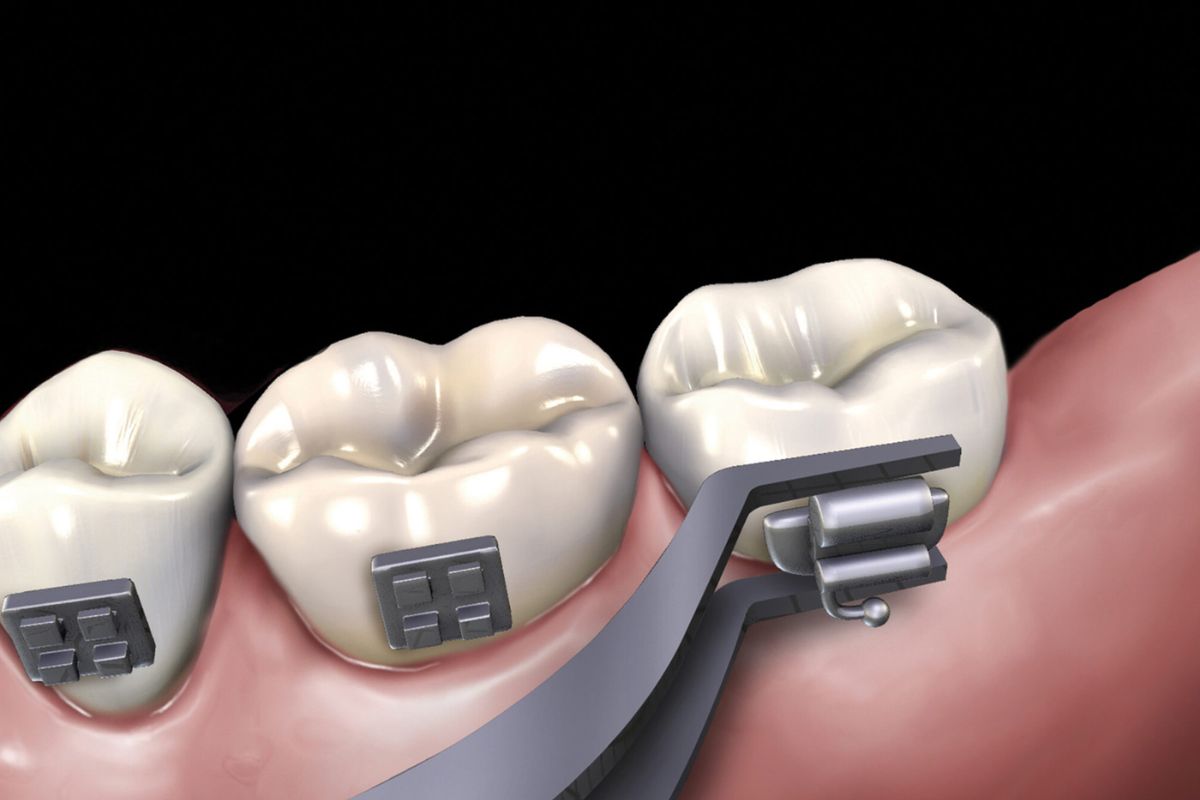
Bonding first molar tubes
- Clean the buccal enamel to remove plaque and stains.
- Isolate the tooth and keep it dry.
- Etch, rinse and dry as your adhesive system directs.
- Apply primer and adhesive. Don't cure yet.
- Seat the tube on the buccal surface and check it's clear of the opposing teeth.
- Remove excess adhesive around the pad.
- Light-cure following the adhesive manufacturer's protocol.
- Check that the archwire engages the tube.
Plan for some losses at the back of the mouth. A retrospective survey of 158 consecutive patients, published in The Angle Orthodontist (2017), found a significantly higher failure rate for attachments in the posterior regions over a mean of 67 weeks after bonding. Who prepared the teeth mattered too: failure rates differed significantly between the dental assistants doing the prep. So isolation and the bite check deserve the same care on the last buccal tube of the day as on the first.
Buccal tubes for braces: bonded tube or molar band?
A bonded tube goes straight onto enamel. A molar band is a ring cemented around the whole tooth with a tube welded to it, so it's bulkier. Bands need separation first, opening the contacts on both sides of the molar before the band will seat. In return they're less likely to come off, which keeps them in use for specific cases. If you're placing tubes on bands, see our molar bands collection.
Ordering, shipping and payment
The "/ea" price shown in each quantity option is the price per bag, not per tube.
Outside the US, delivery can take 15–20 days. Need to cancel? Contact us within 12 hours of ordering; after that we may not be able to stop the shipment. Details are in our shipping policy.
Pay online with PayPal, Visa, Mastercard, American Express or Discover. For bank transfers or large-order payment arrangements, please contact our team to confirm current options and terms before payment.
Custom logo packaging is possible on larger orders. Ask through our contact page with the quantities you have in mind.
Buccal tube questions
Is a buccal tube bracket the same thing as a buccal tube?
Yes. Some catalogs list buccal tubes as "buccal tube brackets," but it's the same molar attachment. What separates a tube from a bracket is the closed channel: the archwire slides through the tube instead of being ligated into an open slot. Our guide to what a buccal tube is covers the basics.
Can buccal tubes be sterilized and reused on another patient?
No. Buccal tubes are single-use devices, and CDC dental infection-control guidance says single-use devices go to one patient and are not reprocessed. Rebonding a lost tube for the same patient is repair, a separate matter from reprocessing.
Do you carry second molar or 0.018" tubes?
The four products in this collection are first-molar tubes with 0.022" slots. If you need a second-molar or 0.018" configuration, send us the slot, prescription, tooth position and required quantity so our team can confirm available options.
What if I order the wrong prescription or quantity?
Contact us promptly to check return eligibility. Our policy requires you to notify us within 15 days of delivery and keep the bags unused in their original packaging. Approved returns must reach us within 20 days after we issue the return form. For health and hygiene reasons, returns without a valid reason may not be accepted.
Return shipping is generally the buyer's responsibility unless otherwise specified. Use a tracked service, and an insured one if the goods are worth more than $50. Contact us before sending anything back; unauthorized returns aren't processed. Full terms are in our return and refund policy.