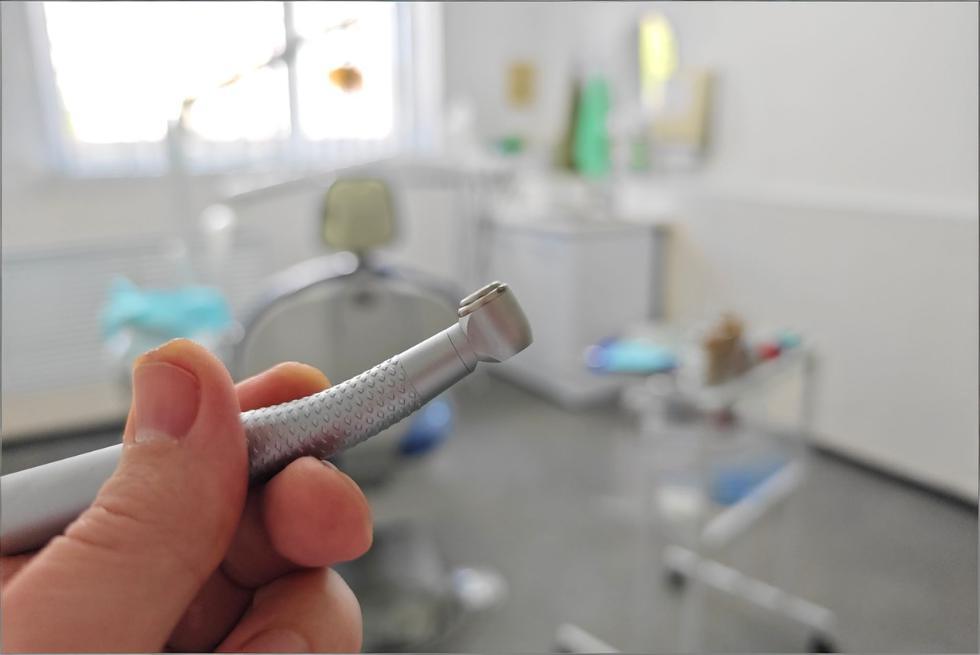
A Complete Guide to Dental Handpiece Turbines
Dental handpiece turbines are one of those “small” components that quietly decide whether your day runs smoothly or turns into a string of interruptions. When the turbine is healthy, your high-speed handpiece feels effortless—stable, quiet(ish), and predictable. When it’s not, everything changes: cutting slows, noise spikes, heat creeps in, and your schedule starts paying the price.
-
Who this guide is for: dentists, assistants, office managers, and techs who want fewer handpiece surprises.
-
What you’ll get: a clearer understanding of turbines, how to choose a reliable source, when in-house replacement makes sense, and how to extend service life without overcomplicating your protocols.
The Complete Guide to Dental Handpiece Turbines
A turbine isn’t “just a cartridge.” It’s a high-precision rotating system made to live through water spray, repeated sterilization, bur swaps, minor impacts, and endless start/stop cycles—while maintaining concentricity and grip. That’s why turbine decisions tend to show up in three places: clinical feel, infection control confidence, and total cost of ownership.
-
The real-world outcomes turbines influence
-
Cutting efficiency and chair time
-
Noise/vibration (fatigue, patient perception)
-
Thermal behavior (heat management and irrigation performance)
-
Downtime risk (lost production and rescheduling)
-
Maintenance workload (staff time and process consistency)
Understanding High-Speed Handpieces
High-speed air turbine handpieces are driven by compressed air that spins an internal rotor, supported by bearings, with a chuck that clamps the bur. Most air-driven high-speed systems live in the general neighborhood of ~300,000–400,000 rpm under no load (varies by model), which is why tiny changes in air pressure, lubrication, or bearing condition can feel massive at the bur tip.
-
Core turbine anatomy (plain-English version)
-
Rotor/impeller: turns air energy into rotation
-
Bearings: stabilize the rotor at extreme rpm
-
Chuck (push-button or lever): grips the bur shank
-
O-rings/seals: help manage air/water pathways
-
Back cap & head components: keep everything aligned and protected
Air-driven vs electric: why turbines still matter
Electric systems often deliver higher torque, but air turbines remain popular for their lightweight feel and familiar cutting behavior. Even in offices with electric high-speed options, air turbines frequently stay in rotation for specific procedures, operator preference, or operatory standardization.
-
A quick way to explain the difference to your team
-
Air turbines: high rpm, lighter feel, torque varies more with load/pressure
-
Electric: strong torque consistency, speed control, typically heavier head/feel (depends on system)
The “hidden variable”: air quality and pressure control
Many “mystery turbine failures” are really air supply problems wearing bearings prematurely. Several manufacturer IFUs commonly specify drive pressure in the ~2.2–2.8 bar (32–40 psi) range (always follow your exact handpiece IFU).
-
Air supply factors that quietly shorten turbine life
-
Pressure too high (faster wear, hotter operation)
-
Moisture/condensation in air lines
-
Inadequate filtration (particulate ingestion)
-
Oil contamination (depends on compressor type and filtration)
-
Inconsistent regulator performance across operatories

Choosing the Right Turbine Source
If you’ve ever replaced a turbine and immediately thought, “This doesn’t feel like the original,” you already know the uncomfortable truth: two turbines that fit are not always turbines that perform the same. Sourcing is about more than price—it’s about consistency, traceability, and support when things don’t go perfectly.
-
Your main sourcing options
-
OEM turbines (from the handpiece manufacturer or authorized channel)
-
Aftermarket compatible turbines (third-party manufactured)
-
Rebuilt/refurbished turbines (repaired cartridges, quality varies by rebuilder)
What “quality” looks like in turbine sourcing (beyond marketing)
A credible supplier should be able to speak clearly about compatibility, materials, balancing, and testing—not in vague promises, but in specifics. Standards exist for dental handpieces and connectors, and reputable manufacturers build and test around recognized requirements.
-
Questions worth asking before you buy
-
Is this turbine exactly for my handpiece model/revision?
-
Is there batch/lot traceability (and how is it handled for warranty)?
-
What’s the bearing type and expected performance envelope?
-
What are the installation requirements (tools, torque, adhesives, seals)?
-
What failure modes are covered/not covered under warranty?
Compatibility: don’t let couplers and connections surprise you
Handpiece connectors and couplers have standardized dimensions in widely used systems (for example, ISO standards cover coupling dimensions for handpiece connectors).
-
Common compatibility checkpoints
-
2-hole vs 4-hole (Borden/Midwest style)
-
Fixed vs swivel couplers
-
Fiber optic / LED compatibility (and water/air routing)
-
Bur type and chuck requirements (friction grip sizes vary by system)
-
Head size/clearance (patient access and line-of-sight)
Table: turbine source comparison (practical, not perfect)
|
Source type |
Best for |
Typical upsides |
Typical risks |
What to verify |
|
OEM turbine |
“I want it to feel like the original” |
Consistency, clearer warranty path |
Higher unit cost |
Model match, warranty terms, authorized channel |
|
Aftermarket compatible |
Budget control + in-house swaps |
Lower cost, availability |
Variable balance/bearing quality |
Traceability, testing, return policy |
|
Rebuilt/refurbished |
Extending budget on older fleets |
Can be economical |
Performance inconsistency |
Rebuilder process, replaced components, runout testing |
What are the advantages of replacing a turbine in-house, instead of sending it out for repair?
In-house replacement is mostly about time control. Sending handpieces out can work well—but it’s still a workflow bottleneck: packaging, shipping, tracking, waiting, reinstalling, re-testing. If your practice depends on high-speed reliability (most do), in-house turbine swaps can turn a “two-week headache” into a “ten-minute reset,” assuming your team is trained and stocked correctly.
-
Where in-house replacement tends to shine
-
You want to minimize downtime without buying many spare handpieces
-
You have predictable failure patterns (bearings, chuck wear)
-
You can standardize models across ops (simplifies inventory)
-
You’re prepared to do simple diagnostic checks after install
The deeper advantage: standardization and fewer “unknowns”
A consistent in-house protocol can actually reduce the number of “half-broken” handpieces being tolerated in rotation. Teams often adapt to gradual turbine degradation until it becomes acute. When swapping becomes easy, you catch problems earlier—before the prep feels like you’re cutting through a brick.
-
A simple decision rule
-
Replace in-house when: performance drops, noise rises, or chuck grip becomes questionable—and the handpiece body is otherwise healthy.
-
Send out when: there’s recurring failure, cracked head/cap damage, water/air leakage that isn’t seal-related, or the handpiece fails post-install testing.
A safe, high-level in-house replacement workflow (adapt to IFU)
Always follow the handpiece manufacturer’s instructions. The goal here is to highlight the practical sequence and the checks that reduce rework.
-
Typical steps and checks
-
Confirm correct turbine model + required seals/components
-
Use the correct tools (avoid “improvised” cap removal)
-
Inspect head components for debris, corrosion, or damage
-
Install turbine per IFU (including torque guidance if specified)
-
Lubricate per manufacturer recommendation
-
Run briefly, listen for abnormal pitch, verify spray and bur retention
-
Document lot/serial/batch for warranty tracking

Maintaining and Caring for Your Dental Handpiece Turbine
Maintenance isn’t about perfection—it’s about repeatability. The best protocol is the one your team can do correctly every time, even on a slammed day. Also: infection control expectations are not optional. CDC guidance emphasizes that dental handpieces and attachments should be cleaned and heat sterilized between patients, not just surface-wiped or high-level disinfected.
-
Maintenance goals that matter clinically
-
Reliable cutting without “push pressure”
-
Predictable water spray and cooling
-
Lower vibration (operator comfort + patient perception)
-
Longer bearing life and fewer surprise failures
-
Reprocessing you can defend confidently
Optimizing Turbine Performance and Longevity
A turbine’s life is heavily influenced by how it’s run: air pressure discipline, bur handling, and how often it gets dropped or struck against hard surfaces (it happens). Even a “small” bur wobble can amplify into bearing wear when you’re spinning at hundreds of thousands of rpm.
-
Habits that protect turbines
-
Verify regulated pressure at the operatory (don’t assume it’s right)
-
Avoid over-tightening or forcing burs
-
Don’t run the handpiece dry (use proper spray/cooling as intended)
-
Use sharp burs (dull burs increase load and heat)
-
Treat “high-pitched screaming” as a maintenance signal, not background noise
Simplified Daily Cleaning Protocols
The easiest protocols are the ones with a clear start and finish: “Here’s what we do after every patient, and here’s what we do at end of day.” Anything fuzzy becomes optional in real life.
-
A practical, repeatable daily approach
-
Immediately after use: remove bur, wipe exterior debris
-
Clean per IFU (including internal cleaning steps if required)
-
Package and heat sterilize using validated instructions
-
Allow complete drying before storage/next use
-
Track any handpiece that sounds different post-cycle (tag it early)
(Reminder: CDC specifically advises that simply wiping or using high-level disinfection is not acceptable for reprocessing handpieces; heat sterilization with proper cleaning is expected when the device can be heat sterilized.)
Recommended Lubrication Practices
Lubrication is where good intentions go to die—mostly because teams either do it too little, too much, or with the wrong product. The only universally correct answer is: follow the handpiece IFU. That said, the principle is consistent: lubrication reduces friction and heat at the bearing system, and helps flush internal contaminants.
-
Lubrication best practices that reduce “oops” moments
-
Use the lubricant specified/approved for your handpiece system
-
Apply at the recommended intervals (often tied to each sterilization cycle)
-
Purge excess per IFU so oil doesn’t foul the chuck or spray pathways
-
Don’t mix brands/products casually (chemistries can differ)
-
If you use an assistina-style unit, keep it maintained and calibrated
Troubleshooting Common Turbine Issues
Most turbine issues announce themselves before they fully fail—you just need a shared language for what counts as a “stop and check.” A 30-second huddle note like “pitch change + weaker cut” can save a full schedule day.
-
Common symptoms and likely causes
-
High-pitched whine / screech: bearing wear, imbalance, debris ingestion
-
Weak cutting: pressure low, turbine worn, dull bur, clogged air line
-
Excess vibration: bent bur, failing bearings, improper installation
-
Bur slipping: chuck wear/contamination, incorrect bur size, worn autochuck
-
Poor spray: clogged ports, waterline issues, coupler routing problems
If you’re also managing dental unit water quality, note that professional guidance discusses using anti-retraction measures and flushing practices to reduce backflow risk in dental unit waterlines.
Warranty and Repair Services
Warranty is only helpful if you can actually use it without turning it into a scavenger hunt. The best practices treat warranty readiness like a routine: document what you installed, where, and when—so if something fails early, you can act quickly.
-
What to capture for smoother warranty claims
-
Turbine lot/batch/serial (or invoice line with traceable ID)
-
Installation date and handpiece model
-
Notes on symptoms and when they appeared
-
Maintenance compliance (if your supplier requires it)
-
Photos/video of the issue when relevant (noise, runout, spray anomalies)
When to repair vs replace (a practical mindset)
Repairs make sense when the handpiece body is worth saving and the failure mode is not repeating due to upstream issues (air pressure, staff technique, sterilization damage, etc.). If the same operatory “eats turbines,” fix the environment—not just the cartridge.
-
Green flags for sending a handpiece out
-
Repeated turbine failures in the same body
-
Head/cap damage, cracks, or persistent leakage
-
Significant runout even with a new turbine
-
You want a full performance verification and internal inspection